
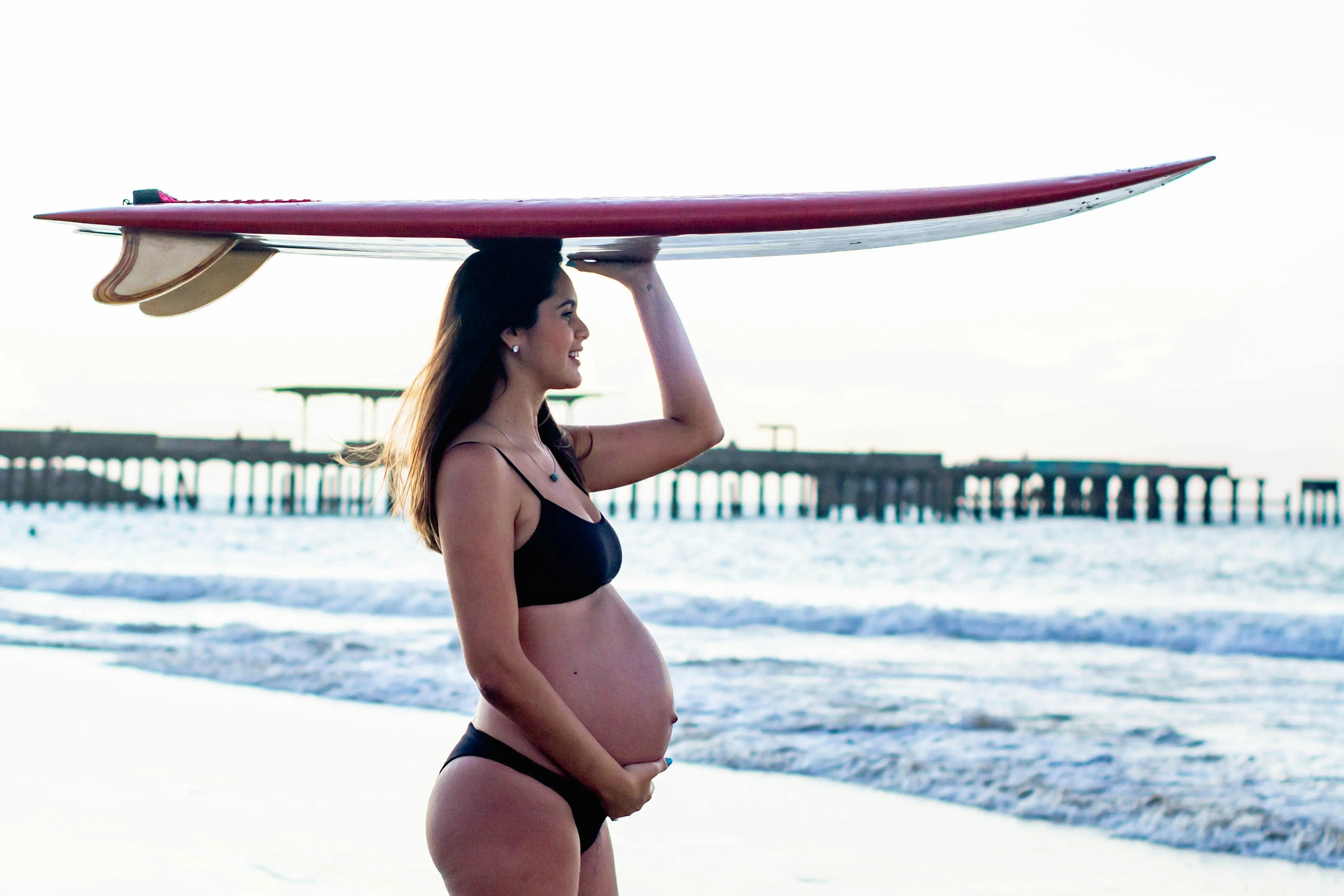
Sports during pregnancy: What's allowed – and what truly keeps you fit
Pregnancy is not an illness. Staying physically active benefits both you and your baby – if done correctly.
Why exercise during pregnancy is so important
Studies show that moderate exercise during pregnancy has numerous benefits:
- Reduces back pain and muscle tension
- Lowers the risk of gestational diabetes
- Improves sleep quality
- Boosts mood and reduces anxiety symptoms
- Can ease labor and shorten recovery time
The goal is about 150 minutes of moderate exercise per week – divided into several sessions.
What suits each trimester
1st Trimester: Start gently**
Many expectant mothers feel exhausted and nauseous in the first trimester. This is normal. Nevertheless: even light exercise helps. Walks, gentle yoga, swimming, or leisurely cycling are ideal. Listen to your body – if you're tired, take a break.
2nd Trimester: The peak phase**
For many, the second trimester feels like a new blossoming. Energy returns, and the belly isn't too big yet. Now is a good time for pregnancy Pilates, aqua aerobics, yoga, or Nordic walking. Many women can also continue their usual sport – adapted to their new body situation.
3rd Trimester: Adapted & joint-friendly**
The belly gets bigger, the center of gravity shifts, and joints become softer due to the hormone relaxin. Pelvic floor training, stretching exercises, pregnancy yoga, and water exercises are especially valuable now. Avoid exercises that require you to balance.
The pelvic floor: The unsung hero
The pelvic floor is a network of muscles that supports the bladder, intestines, and uterus. During pregnancy, it is under enormous pressure. Regular pelvic floor training:
- Can prevent incontinence after birth
- Accelerates post-birth recovery
- Supports the body during pregnancy
Ask your midwife or a physical therapist for an introduction – because many women unknowingly train their pelvic floor incorrectly.
These sports should be avoided
- Contact sports (combat sports, handball, football)
- Sports with a risk of falling (horse riding, skiing, climbing)
- Diving (decompression sickness can endanger the baby)
- Exercises lying flat on your back after the first trimester
- Intense strength training with very heavy weights
- Exercise with fever, dizziness, chest pain, or strong contractions
The most important rule
You should still be able to talk. If you're gasping for breath and can no longer speak in full sentences, the pace is too high. Get the green light from your gynecologist – especially for high-risk pregnancies, multiple pregnancies, or placenta previa.
---
*This article does not replace medical advice. Always discuss exercise and movement during pregnancy with your doctor or midwife.*