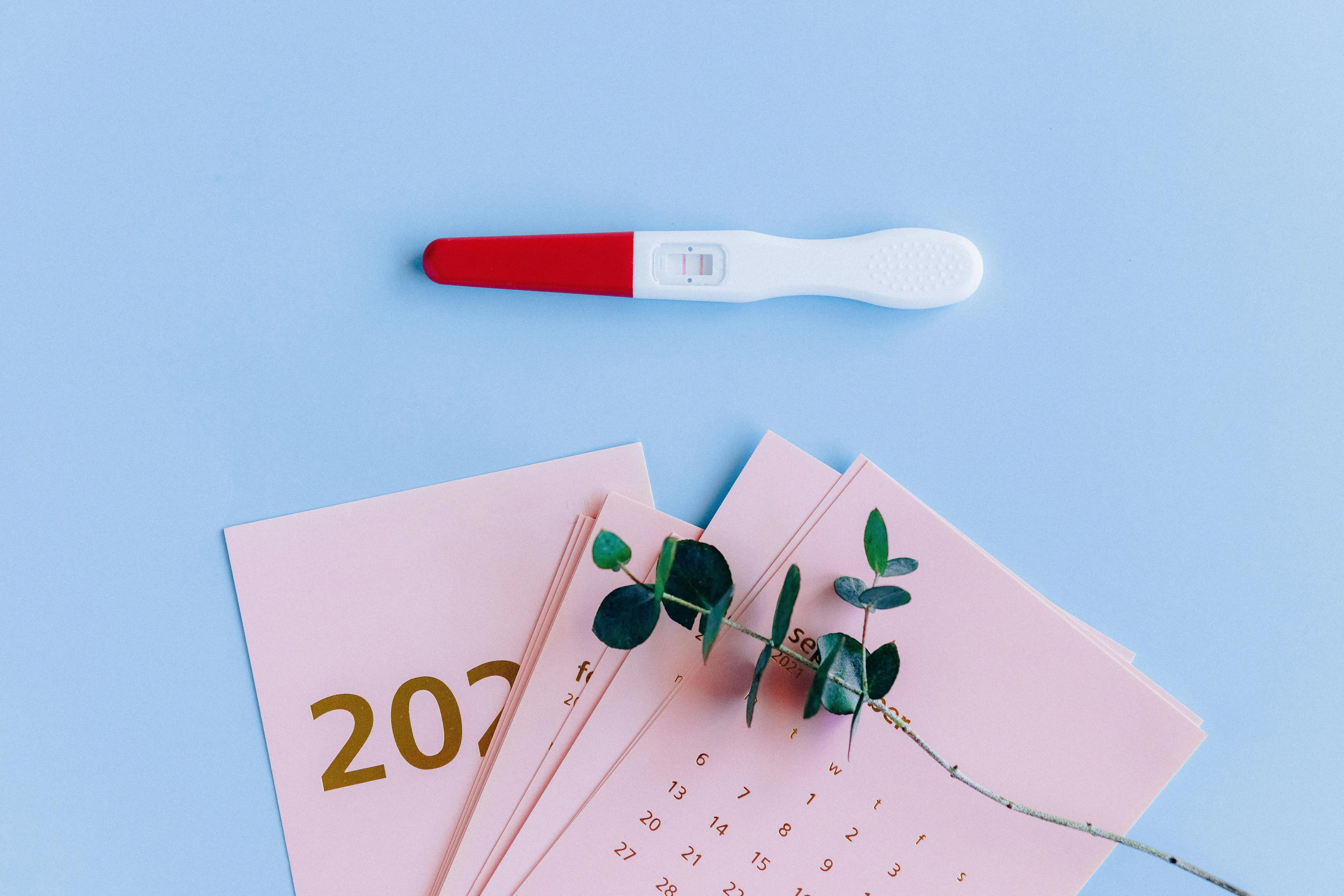
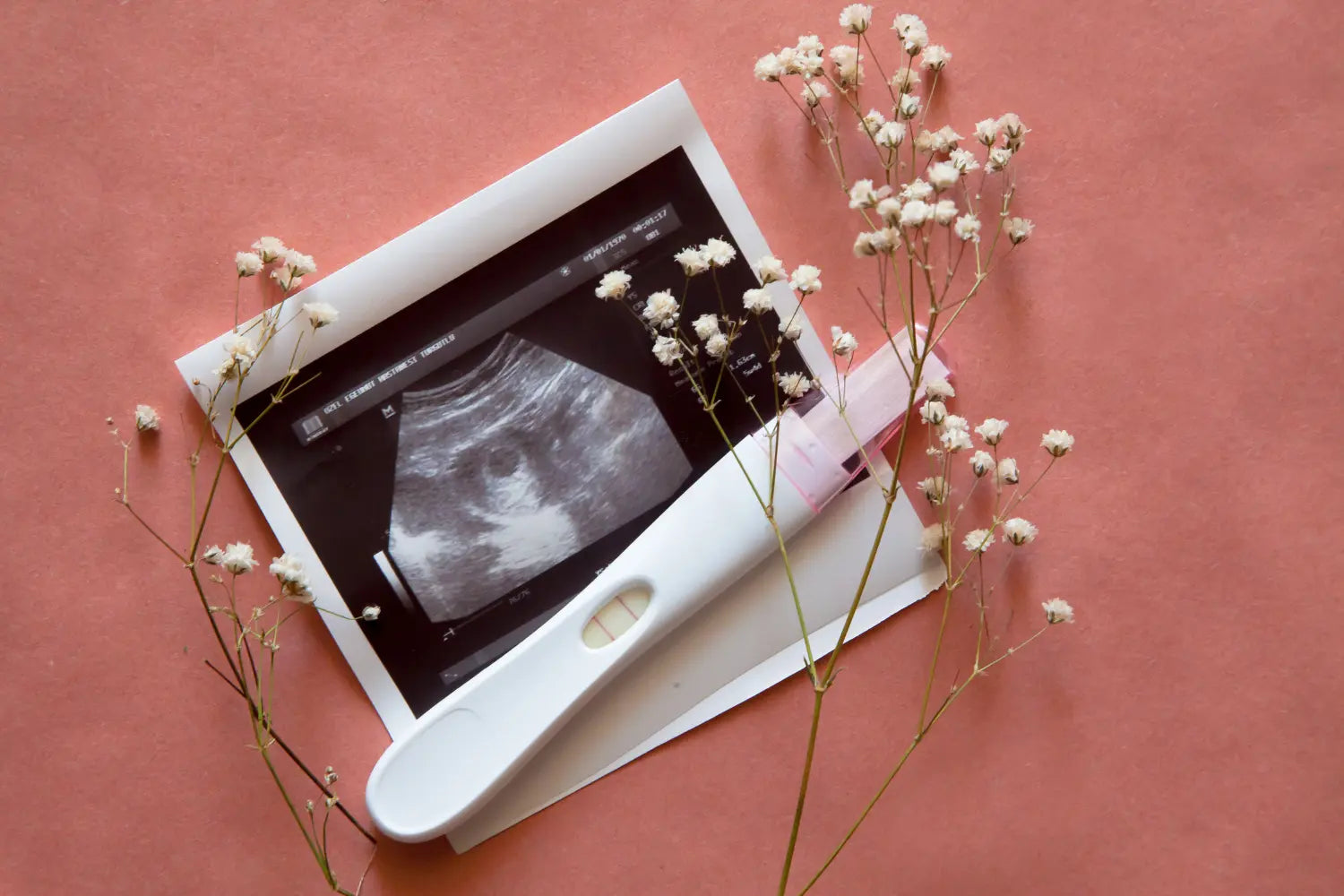
When can you take a pregnancy test?
The days leading up to a potentially positive pregnancy test are an emotional rollercoaster for many women. Hope, nervousness, uncertainty – all of this mixes with one central question:
"When can I take a pregnancy test?"
To give you peace of mind, in this article we explain the best time , the differences between the types of tests , and what you should consider when taking an early test .
How do pregnancy tests actually work?
A pregnancy test measures the hormone hCG (human chorionic gonadotropin) in the body. This hormone is produced shortly after the fertilized egg implants.
-
hCG levels only rise after implantation , usually 6–9 days after ovulation.
-
It doubles every 2-3 days.
-
Only above a certain concentration can a test reliably detect it.
Therefore, timing plays a crucial role.
The best time: From the due date of your period.
The safest and most recommended time for a pregnancy test is:
➡️ From the day your period is late.
Why?
Because most commercially available tests are reliable enough to detect even small amounts of hCG.
The later you test, the clearer the result.
Early pregnancy tests: getting tested before your period is due?
Many manufacturers advertise that their tests work as early as 4-6 days before a missed period .
That sounds tempting — but it has its limits:
Advantages of early testing
-
Early answer to the question: "Am I pregnant?"
-
Good for women with a lot of impatience 😉
-
Can provide initial clues
Disadvantages of early tests
-
The hCG level is often still too low
-
Increased probability of false-negative results
-
A negative early pregnancy test does not rule out pregnancy.
If you take an early pregnancy test and it is negative, you should test again on the day your period is due .
Should you test in the morning – yes or no?
The time of day also plays a role.
➡️ The best time to test is in the morning with your first urine.
The hCG level is then at its highest, and the result becomes more reliable.
Later in the day, the test result is more strongly influenced by fluid intake.
How do I know if I should test earlier?
Some women notice early signs before their period is due, such as:
-
Exciting breasts
-
Pulling sensation in lower abdomen
-
fatigue
-
nausea
-
Increased urge to urinate
-
Mood swings
However, these symptoms could just as easily be caused by the menstrual cycle.
A test remains the only reliable indicator.
If the test is negative – could I still be pregnant?
Yes, that's possible. Reasons:
-
Tested too early
-
Too little hCG in the urine
-
Cycle longer than expected
-
Ovulation occurs later
-
diluted urine
Therefore, a repeat test after 2-3 days is recommended if the period still does not occur.
When should I see a doctor?
You should seek medical advice if:
-
your pregnancy test is positive (for confirmation)
-
your period is absent for more than two weeks
-
you have pain or unusual symptoms
A gynecological examination will give you definitive certainty.
Conclusion: Testing at the right time brings clarity
A pregnancy test is an important moment — full of hope or excitement.
To obtain a reliable result, the following applies:
✨ The best time is from the day your period is due.
✨ Early tests can provide clues, but are less reliable.
✨ If unsure, simply test again a few days later.